
Pantry Rotation: How to Use First In, First Out
Keep your pantry moving with a simple first-in, first-out routine. Use older food first, track what to replace, and print the shelf checklist.
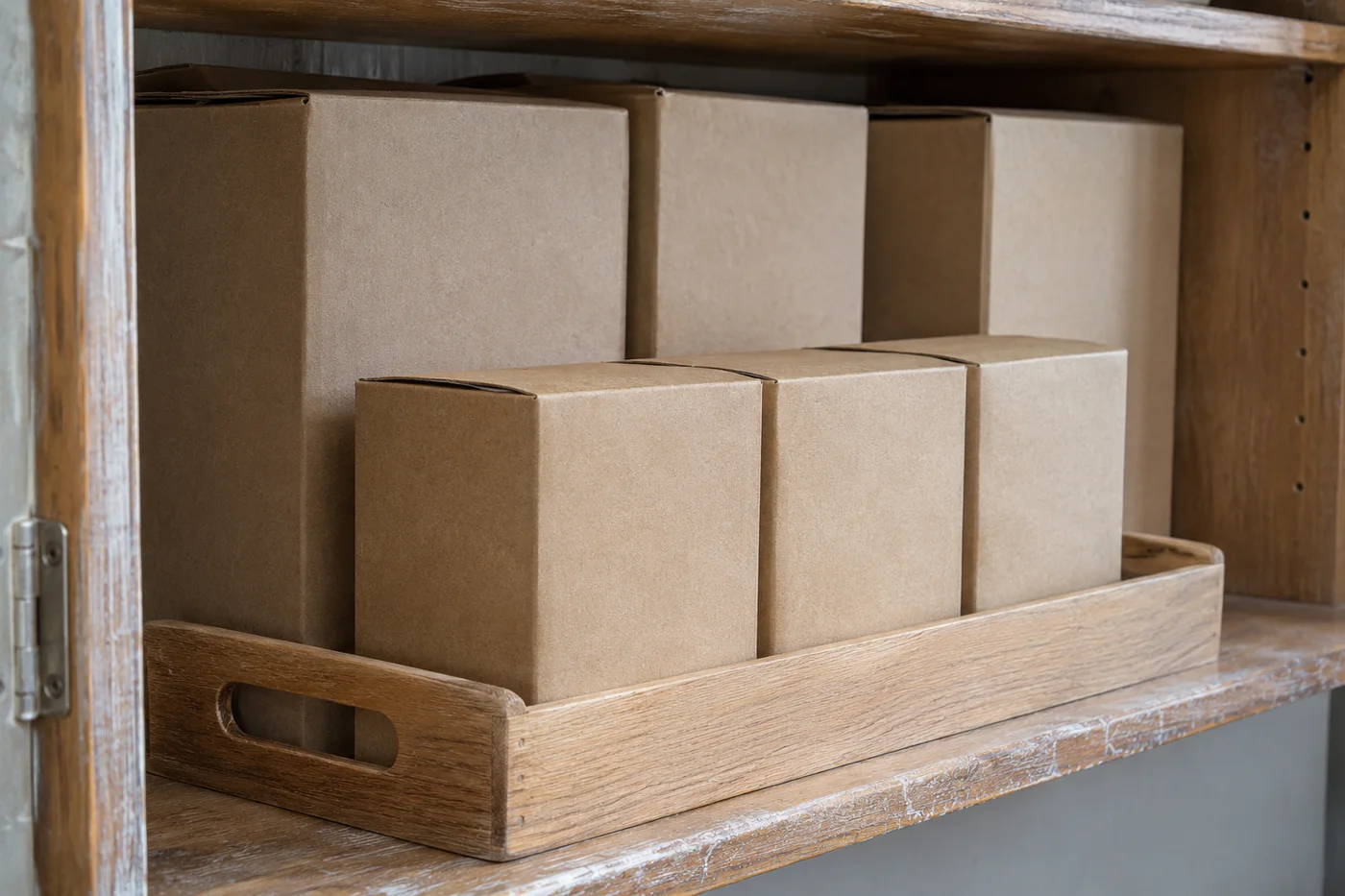
Put new groceries behind the older food, then use the older food first. That’s first in, first out, often called FIFO. It keeps dinner moving off the shelf and helps you spot what needs replacing. Still check each package and its label. Check the package condition and storage directions each time.
You can run a small pantry with a sheet of paper. Write down what to use next and what to buy again.
Make a use-next area
Choose one shelf section or a shallow tray. Put suitable older packages there, with their labels facing out. Only put food there if the label says it can be stored there. Anything that needs a fridge stays in the fridge.
Add newer purchases behind matching older stock. Keep different varieties visible. Stock flavors your family eats.
Before moving anything into the use-next area, check its condition. USDA advises against using food from leaking, bulging, or badly dented cans. Don’t taste questionable food to decide whether it’s safe. USDA canned-food guidance.
Pick a restock point for each staple
Write the item, your target quantity, and the point at which it goes on the grocery list. Those numbers don’t have to match across foods.
For example, suppose your plan calls for eight cans of beans, and a normal dinner uses two. You might add beans to the list when the count reaches six. Adjust those example quantities to your own meals. Choose a number that fits how often you shop and what you can spend.
| Item | Target | Add to list at | Count today |
|---|---|---|---|
| ___ | ___ | ___ | ___ |
| ___ | ___ | ___ | ___ |
| ___ | ___ | ___ | ___ |
Check one section before shopping
You don’t need to unload the pantry every week. Look at the use-next area, choose a meal from it, and check the staples on your list. Once a month, look behind the front row for damaged packaging or forgotten items.
If you move food into another container, keep the product name, dates, lot code and cooking directions. The lot code helps identify a batch if there’s a recall. Mixing new food into an old container can make tracking it harder. Finish the old food, then clean the container as its instructions require before adding more.
Printable rotation check
- Use-next area is visible.
- New purchases sit behind older matching items.
- Questionable packages are kept out of meal plans.
- At least one upcoming meal uses older stock.
- Staples below their restock point are on the list.
- Labels and lot information remain available.
If the same item keeps returning to the use-next tray untouched, stop replacing it. A smaller reserve of food you eat is easier to maintain.
Make stored food easy to use
Start with the shelves you have. A can rack earns its space when cans get lost at the back; containers help with dry staples you use regularly.
We may earn a commission from these links, at no extra cost to you. As an Amazon Associate I earn from qualifying purchases.
Feed older cans to the front
Store opened dry staples
Sources
Frequently asked questions
- How do I track a small pantry?
- Use a paper list. Write down each food, how much you want to keep, and the count that means it is time to buy more. Update it when you unpack groceries.
Save this article to Pinterest
 Pin this image →