
Firearm Ownership Checklist: Safe Storage and Training
Plan gun storage, training and costs before you buy. Use this checklist to discuss safe handling and household needs with a qualified instructor.
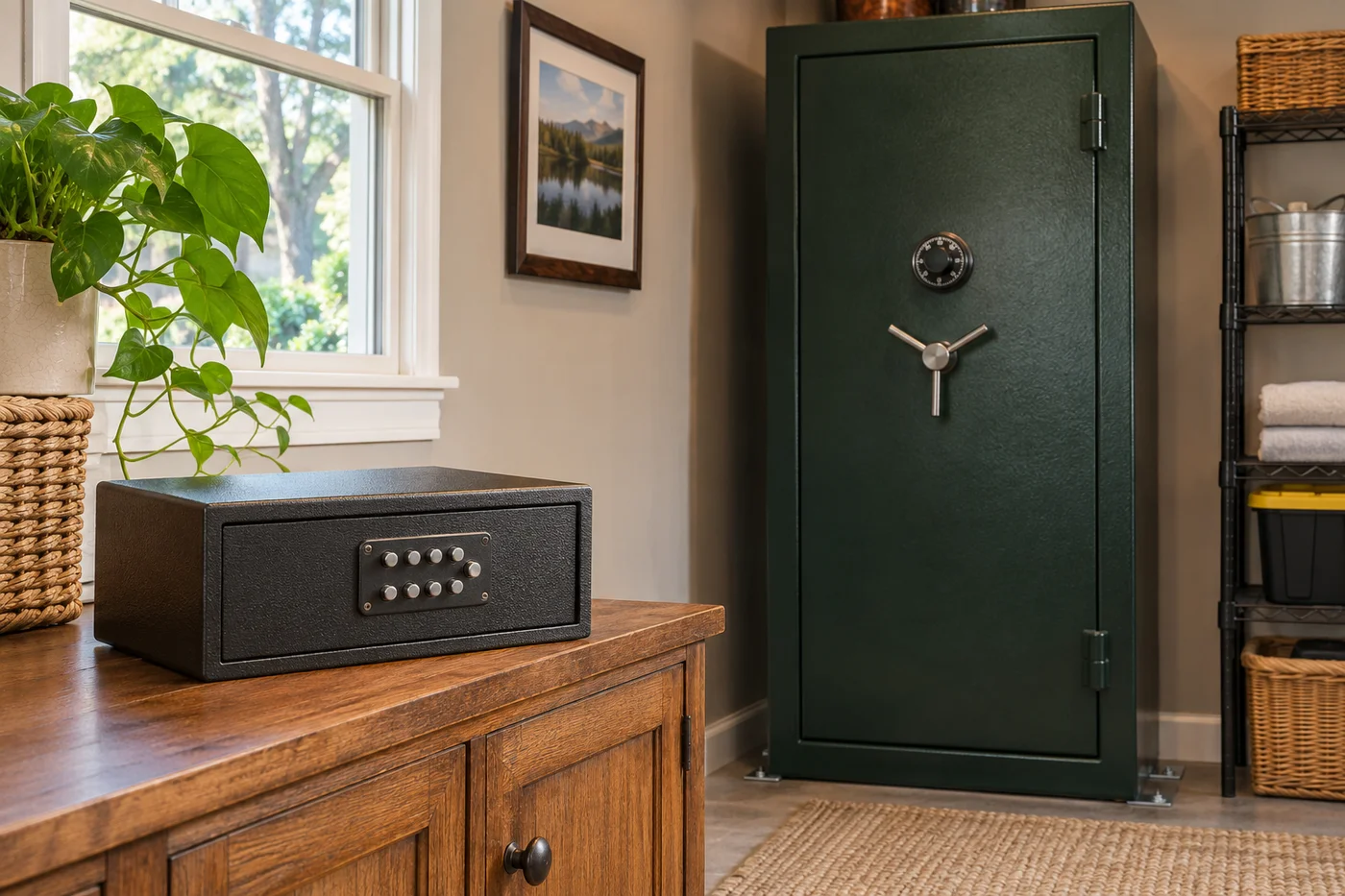
If a gun is part of your preparedness plan, sort out storage and training before you shop. Check that you can legally buy and own it. Think about everyone who lives in or visits your home. Then work with a qualified instructor to check what you can handle safely.
Use this checklist when speaking with a qualified instructor and licensed dealer. Questions about when the law allows force belong in a separate conversation with an attorney familiar with your state.
Work out where to lock it up
Consider everyone who lives in or visits the home, including children, caregivers and guests. ATF recommends unloaded, locked firearm storage with ammunition locked separately and access limited to people allowed to use it. Follow the manufacturer’s instructions for the firearm and storage device. ATF safety and security guidance.
Measure the proposed storage location and check installation requirements. Ask how the lock works during a power failure and who could legally handle it if you were ill. Keep keys and combinations protected.
Check what you can handle safely
Grip strength, vision, joint pain and mobility differ from person to person. Tell a qualified instructor about the limits that matter for safe handling. Ask for a supervised check with suitable training equipment. Use what you learn to choose gear that fits you.
Questions can include whether you can comfortably reach controls, understand the safety procedures, read markings and use the lock and storage setup. Medication or a change in health may also warrant a discussion with your clinician. Use that assessment to guide your next steps.
Include storage and training in the cost
Include secure storage, qualified instruction, any required permits, and ongoing maintenance in the cost. Check the federal, state and local rules that apply to you before purchasing or transferring a firearm. Check the rules for possession, transport and carrying separately.
Keep copies of the manual and purchase records privately. Record where to find them without placing access codes in a general page meant for household helpers.
Printable ownership check
- Confirmed the applicable ownership and purchase requirements.
- Chosen a suitable secure storage location and device.
- Planned separate secure ammunition storage.
- Arranged qualified instruction and a supervised fit assessment.
- Considered vision, mobility, strength and relevant health changes.
- Budgeted for storage and training as well as the purchase.
- Recorded a lawful plan for a move, hospitalization or household change.
Revisit the plan when visitors, caregivers or health needs change. An arrangement that worked five years ago may need an update even if the firearm itself has not changed.
Gun safes and quick-access storage options
Match the storage to the job: a mechanical handgun safe, a mounted quick-access safe, or a full-size safe for long guns. Measure the interior and plan the anchoring before buying. Choose a setup that meets your local storage requirements.
We may earn a commission from these links, at no extra cost to you. As an Amazon Associate I earn from qualifying purchases.
Mechanical handgun safe
Mounted handgun safe
Full-size gun safe
Quick-access option
StopBox describes the Pro as an access-control option for the time between a holster and a safe. Its lightweight construction serves a different purpose from a heavy, anchored steel safe. StopBox’s intended-use guidance.
From the prepping community
In his 2018 safe comparison, Chris Baker of Lucky Gunner writes, “I much prefer mechanical locks on bedroom safes.” His review explains the lock choices and includes a video. Read or watch the comparison.
NRA’s safety guidance starts with a direct rule: “ALWAYS Keep the gun pointed in a safe direction.” Review its safety and education resources before a class. For coverage of gun-rights bills and court cases, follow Gun Owners of America. Check state agencies and statutes for the rules that apply to your situation.
Sources
Watch and learn
Storing a Gun Safely and Securely
Frequently asked questions
- What should I budget for besides the gun?
- Include locked storage, qualified training, required permits and upkeep. Check the rules where you live and plan for changes such as a move, new caregiver or health concern.
Save this article to Pinterest
 Pin this image →