
Ammunition buying and storage: questions to check first
Check ammo purchase rules, your gun’s manual and locked storage before buying. Use this checklist to keep packaging, records and access in order.
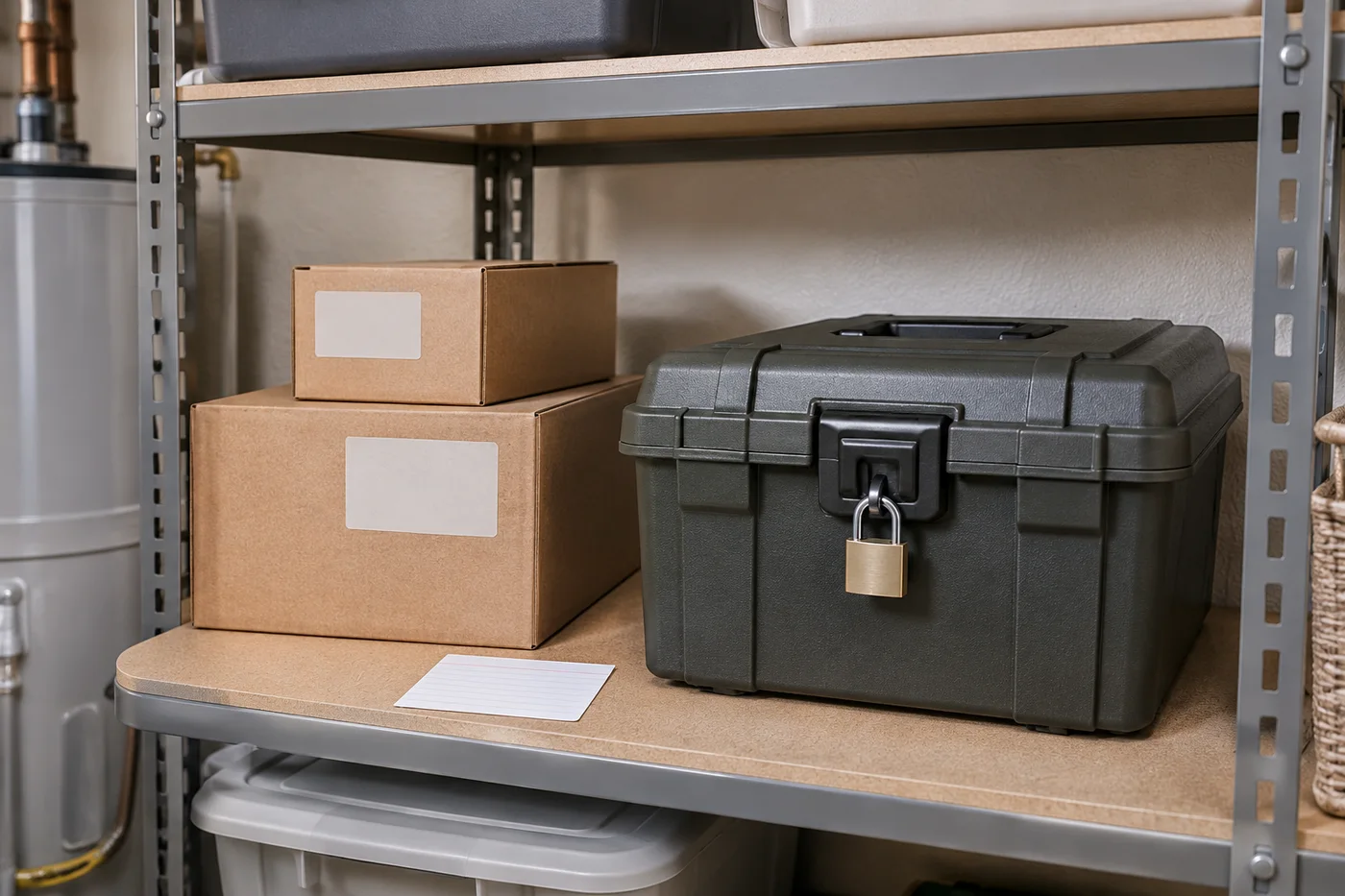
Before buying ammo, check the laws where you live, read your gun’s manual, and have a locked place ready to store it. Buy only what meets the manufacturer’s requirements. Keep the cost within your training or sporting budget. Base the amount on your planned use and storage space.
Rules can differ by location and type of sale. Check current federal, state and local requirements for the sale and delivery.
Check the seller and the rules
Use an established retailer whose business details and sales terms you can check. A local licensed firearms dealer can help explain the sales rules where you live; an online seller must also comply with the rules governing sale and delivery. Don’t use a seller offering to bypass required checks or restrictions.
ATF’s guidance distinguishes federal age rules for different sales and notes that state and local requirements can also apply. Confirm your own requirements before placing an order. Check current requirements with the proper authorities before you buy. ATF sales guidance.
Check the manual before buying
Use the firearm manufacturer’s written specifications and ask a qualified professional if anything is unclear. Keep the ammunition in its labeled packaging so you can check what it’s and find the batch number. Don’t treat similar-looking names or packaging as proof that it’s right for your gun.
Damaged or unidentified ammunition needs advice from the manufacturer or a qualified service. Don’t try it out to see whether it works.
Plan storage and access
ATF recommends storing ammunition locked separately from firearms and keeping keys or combinations out of children’s reach. Follow the ammunition manufacturer’s storage instructions and any applicable local rules. ATF storage guidance.
Choose a location that doesn’t expose the supply to avoidable damage or access by anyone who should not have it. Review the arrangement when grandchildren visit, a caregiver begins work, or someone moves in or out. An emergency binder can point to the responsible person’s contact details without displaying storage codes.
Printable purchase and storage check
- Checked current purchase and possession requirements.
- Verified the retailer’s identity and written terms.
- Confirmed compatibility against the manufacturer’s instructions.
- Kept packaging and lot information with the supply.
- Prepared separate locked storage with controlled access.
- Recorded the purchase privately and stayed within the budget.
- Set a date to review storage condition and household access.
Buy only after those questions have answers. If a legal requirement or manufacturer’s instruction remains unclear, resolve it with the relevant authority or qualified professional first.
Useful gear for this job
Use what you already own, then fill the gaps that matter for this plan.
We may earn a commission from these links, at no extra cost to you. As an Amazon Associate I earn from qualifying purchases.
| Pick | Product and why it fits | Amazon |
|---|---|---|
| Small locked supply | SnapSafe Lock Box LG — A compact lockbox. Check the inside space and follow the mounting instructions. Details | Find on Amazon |
| Larger labeled packages | SnapSafe Lock Box XXL — More room than the LG model for contents that need a larger locked box. Details | Find on Amazon |
More on safe storage
Project ChildSafe’s storage resources explain ways to keep guns secured. Use that guidance alongside the storage directions from your gun and ammunition manufacturers.
Sources
Frequently asked questions
- What records should I keep with ammunition?
- Keep labeled packaging and batch details so you can identify the ammunition. Save purchase records privately and follow the manufacturer’s storage directions.